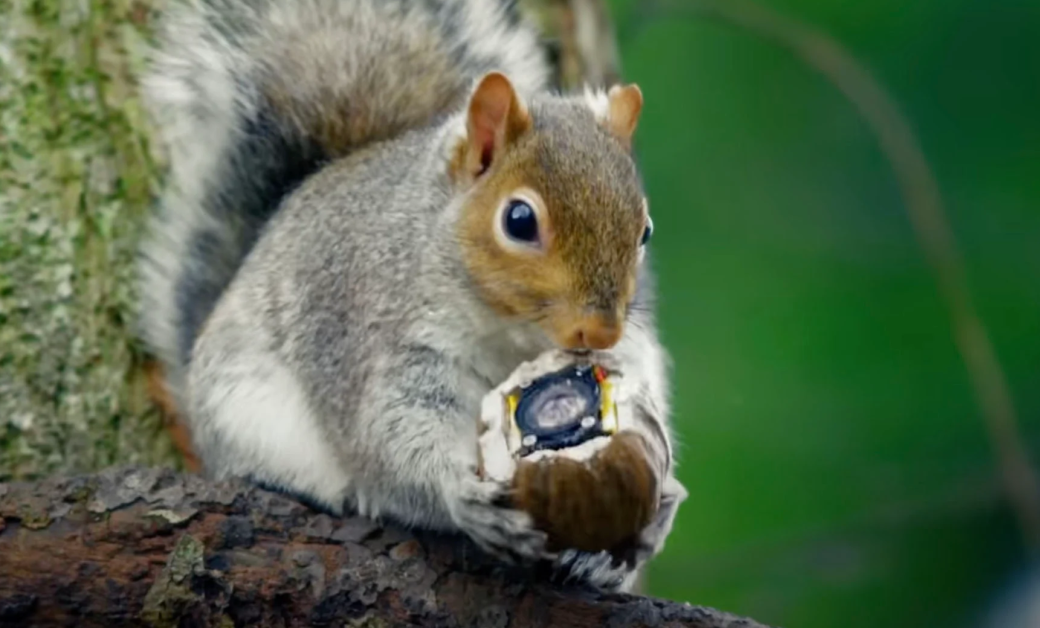
The Natural Instincts That Drive Squirrel Behavior
Squirrels are far more than the simple nut collectors we often imagine. From a biological standpoint, their survival depends on keen observational skills, dexterity, and memory. In the wild, they must identify, gather, and sometimes hide food efficiently to prepare for periods of scarcity. These skills have a surprising side effect when squirrels encounter human environments. Gardens, balconies, and urban backyards present an entirely new assortment of items—some edible, many entirely ornamental. The natural drive to investigate, collect, and occasionally cache items extends beyond food.
Squirrels are highly curious and playful creatures. They often manipulate objects with their paws, climb, jump, and test items in ways that resemble both play and practical exploration. This behavior is deeply rooted in their evolutionary survival strategies. Collecting or moving objects helps develop motor skills, spatial awareness, and memory, which are all critical for finding food and evading predators. When shiny or unusual objects appear in their environment, the same instincts that evolved to help them survive suddenly manifest in what seems like quirky, mischievous behavior.
Research on animal behavior consistently demonstrates that squirrels are not just reactive but proactive learners. They observe their surroundings, test objects, and even appear to experience forms of trial-and-error reasoning. In natural habitats, a reflective surface could signal a water source or alert the squirrel to the presence of other animals. In a garden, the reflective qualities of human-made items mimic these cues, triggering instinctive investigation. Their playful interactions with these objects can be seen as extensions of these instincts. So, when a squirrel picks up a bottle cap, a piece of foil, or a shiny decoration, it is not acting out of malice or simple curiosity alone. Instead, it is engaging deeply with its environment using evolved survival behaviors that just happen to intersect with human aesthetics.
Why Shiny Objects Capture Squirrel Attention
The allure of shiny objects to squirrels is both sensory and cognitive. Squirrels’ vision is highly attuned to contrast and movement, allowing them to detect predators and prey. Shiny surfaces create small, fleeting reflections that resemble motion or changes in the environment, instantly grabbing their attention. This attraction is intensified in urban settings, where squirrels encounter an overwhelming number of human-made items that differ from the muted tones of forests or fields. A piece of foil, a metallic ornament, or even a bright piece of jewelry can appear novel, important, or worth exploring. Unlike humans, squirrels do not perceive these objects as valuable in a monetary sense, but the reflective qualities offer a form of visual and tactile stimulation that is inherently rewarding.
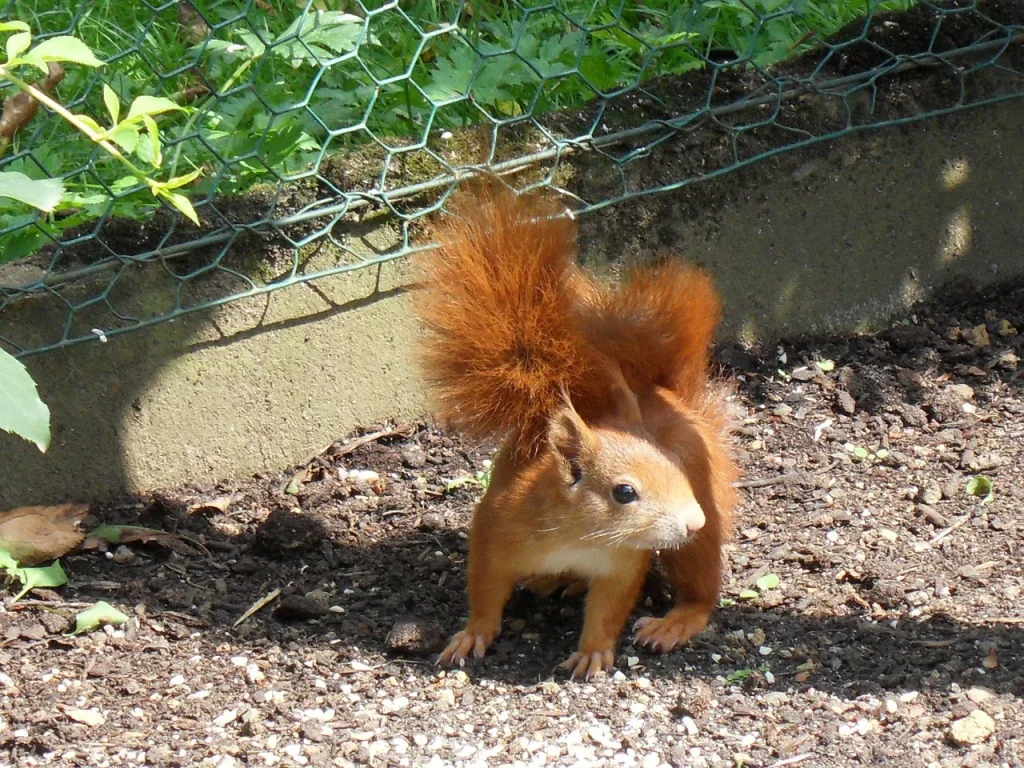
Ethologists suggest that handling these objects may also satisfy other cognitive needs. Manipulating a small, shiny item allows squirrels to exercise problem-solving abilities, test grip strength, and explore texture—all while engaging their attention. Some studies on urban wildlife show that such behaviors increase mental agility, helping squirrels adapt to complex and ever-changing city environments. Even the act of carrying an item from one place to another, often repeatedly, can serve as practice for cache management and navigation skills. In essence, what humans perceive as “theft” is for squirrels a deeply natural and enriching interaction with their environment.
Urban Vs. Rural Squirrel Habits And Exposure
The environment in which a squirrel lives significantly affects its behavior. Rural squirrels, living in forests or parks, primarily encounter natural items such as nuts, seeds, pine cones, and occasional rocks or leaves. Their interactions are predictable and largely survival-driven. Urban squirrels, by contrast, navigate an entirely different sensory landscape. Gardens, playgrounds, and backyards contain a variety of unfamiliar textures, colors, and reflective surfaces. This exposure fosters exploratory and playful behaviors that are less common in rural counterparts. As a result, city squirrels often develop habits of inspecting and moving non-food items, including shiny objects, with remarkable persistence and creativity.
Urban squirrels’ access to human environments also teaches them novel skills. Observations from researchers in cities like New York, London, and Melbourne show that squirrels can recognize patterns in human activity, such as when a decorative item is unattended or vulnerable. They adjust their behaviors accordingly, sometimes even waiting for a quiet moment to explore an object, demonstrating patience and situational awareness. This difference in exposure explains why certain items may vanish from urban gardens while rural areas rarely report such incidents. It is not mere coincidence but a combination of opportunity, curiosity, and learned behaviors that drives these urban “collections.”
Anecdotes From Gardeners Around The World
Gardeners worldwide have reported a mix of frustration and amusement at squirrels’ fascination with shiny items. In a suburban Toronto backyard, a series of small, metallic wind chimes disappeared over several weeks. The homeowner eventually spotted a gray squirrel dragging one across the lawn, clearly treating it as a novelty rather than food. In London, a gardener’s glass garden ornaments vanished repeatedly, often reappearing in the same tree or under a hedge, suggesting that the animal was experimenting with storage locations. Similar stories appear across Australia, from Sydney’s inner suburbs to regional towns, where reflective decorations are frequently moved or stolen. These anecdotal accounts illustrate that the behavior is neither random nor limited to a single species; rather, it is widespread among urban-dwelling squirrels. The objects themselves—small, shiny, easily grasped—play a role in triggering and sustaining this behavior. Beyond curiosity, these interactions often serve as mental stimulation and enrichment, highlighting the squirrels’ adaptive intelligence.
Cognitive And Psychological Motivations Behind Collecting
The behavior of taking and moving shiny objects reflects deeper cognitive and psychological motivations. Squirrels are intelligent animals capable of memory, problem-solving, and social learning. Play is an essential component of cognitive development, and objects that are visually or tactilely stimulating provide an outlet for this instinct. Handling unfamiliar or reflective items allows squirrels to explore new textures, practice fine motor control, and even rehearse cache-like behaviors. Some scientists propose that attention-seeking may be a factor in areas where multiple squirrels share overlapping territories. In such cases, moving or interacting with conspicuous objects could serve as a social signal, though this remains less studied. Regardless, the repeated attraction to certain objects underlines that squirrels engage with their environment in a dynamic, mentally active way rather than reacting purely out of necessity.
How Gardeners Can Observe And Adapt To Squirrel Habits
Gardeners who understand the motivations behind squirrels’ shiny object collecting can take practical steps to reduce conflicts while appreciating wildlife. Securing small ornaments, avoiding leaving metallic or reflective items accessible, and providing alternative stimuli, such as nut-bearing plants or designated foraging areas, can redirect squirrel attention. Motion-activated deterrents and secure display are